Symptoms are easy to overread
A sound, temperature change or irregular result does not identify a technical cause. It is simply a useful observation to pass on.
Independent appliance guidance
A calm practical guide for describing what is visible around a refrigerator, cooker, boiler or gas appliance before you seek qualified help.

Before a repair conversation
When something changes at home, it is tempting to reach for a theory. The useful first step is smaller: notice what is visible, protect the boundary around safety and make a short factual note.
A sound, temperature change or irregular result does not identify a technical cause. It is simply a useful observation to pass on.
The same description has a different meaning around cooling, cooking, hot water and gas. Start by naming the setting.
General web guidance should never encourage a visitor to dismantle, adjust or test equipment outside an appropriate route.
How this works
These prompts help turn a vague concern into a short, useful description. They are not a diagnosis or a repair procedure.
Write the appliance type, the room and the visible change in ordinary language. “The fridge seems warmer since yesterday” is more useful than an unsupported explanation.
Note a relevant ordinary condition such as a very warm kitchen, a recently moved appliance or an interruption to usual use — without putting yourself at risk to gather more.
Use current manufacturer information, the responsible local provider or a qualified professional when real service or safety advice is needed.
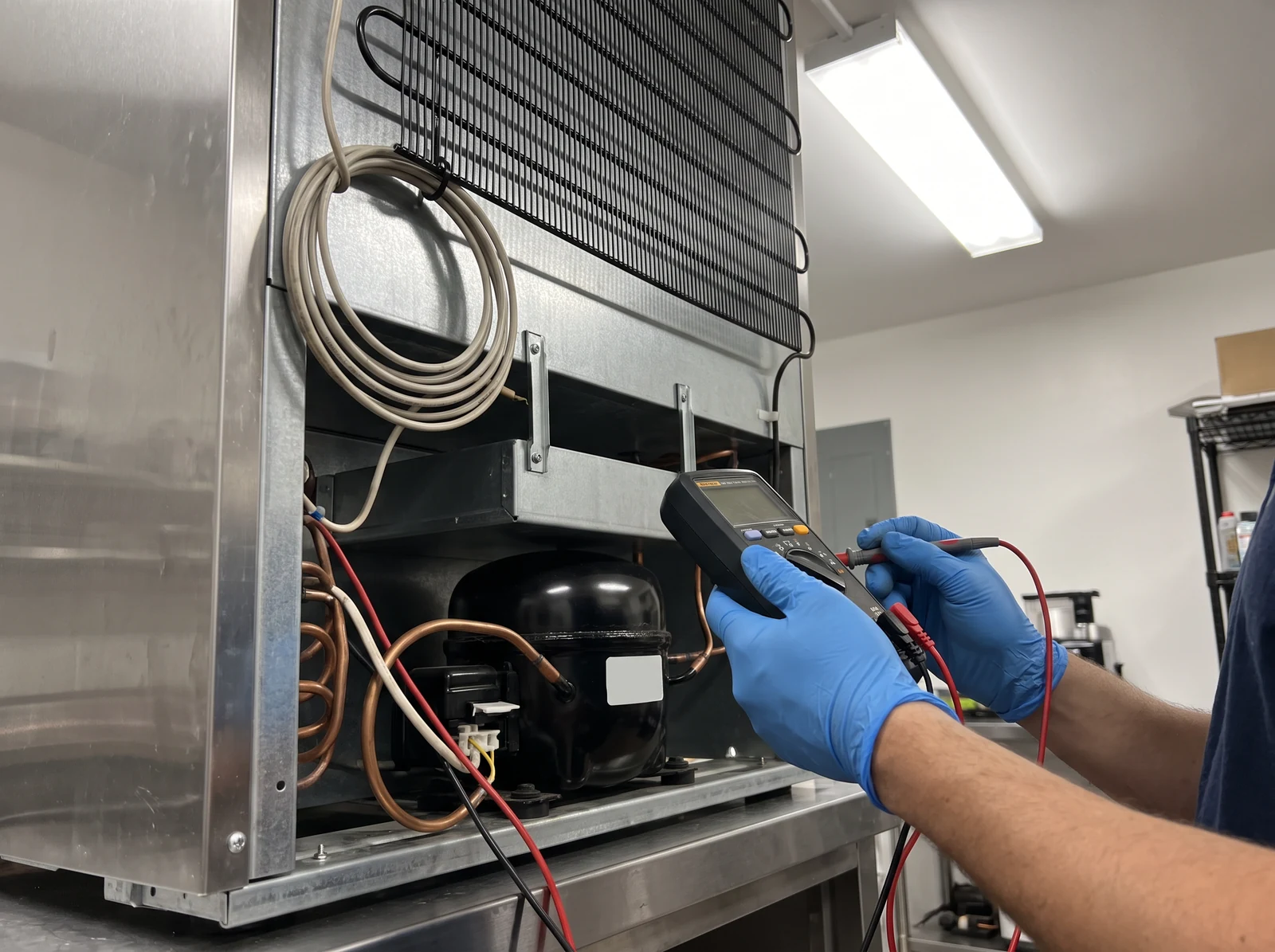
A useful field note
A good note can hold four things: the appliance, the approximate time of change, the visible result and the safe context around it. That is enough to begin a more informed conversation.
What changes with a clearer brief
Clear language keeps a situation legible without pretending to settle the cause.
Useful notes do not require a person to take equipment apart or try a risky adjustment.
A calm description helps decide whether to check official information, make a service enquiry or follow urgent local guidance.
A short factual handover gives a qualified person a more usable starting point.
Practical reading
Independent notes for understanding the question before you choose a service route.
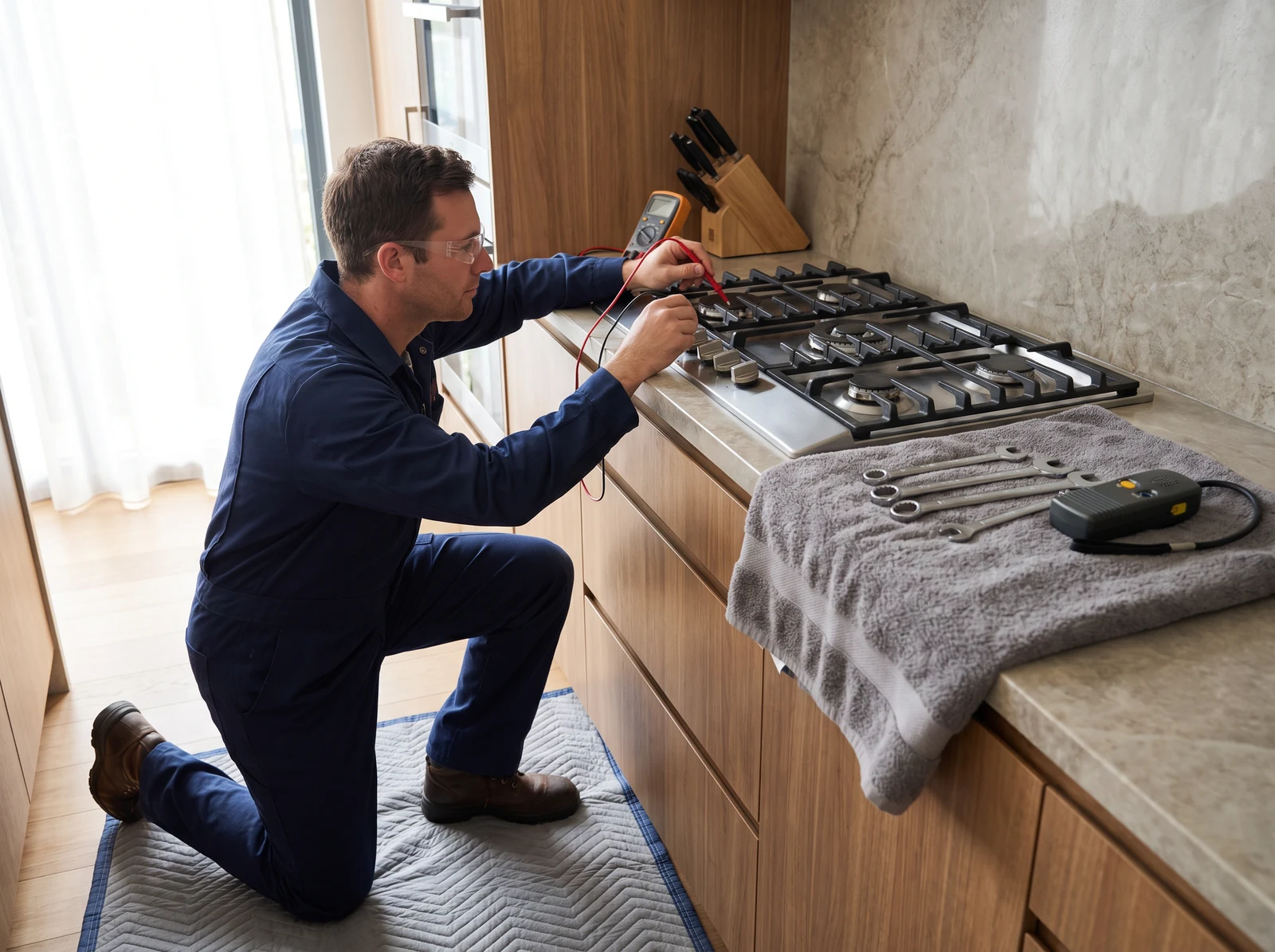
Starting point
A plain-language framework for a safe, helpful note.
Read the outline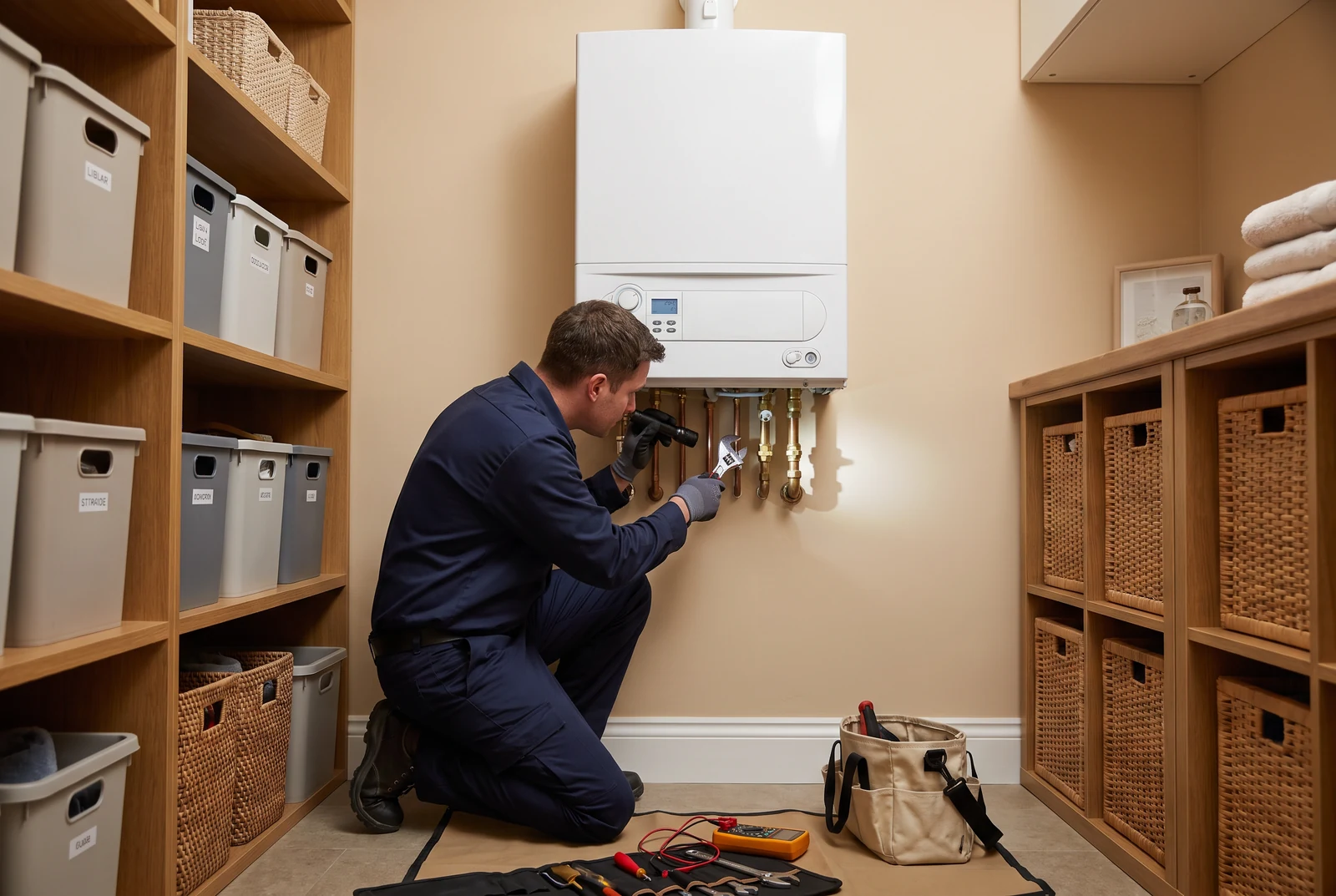
Hot water
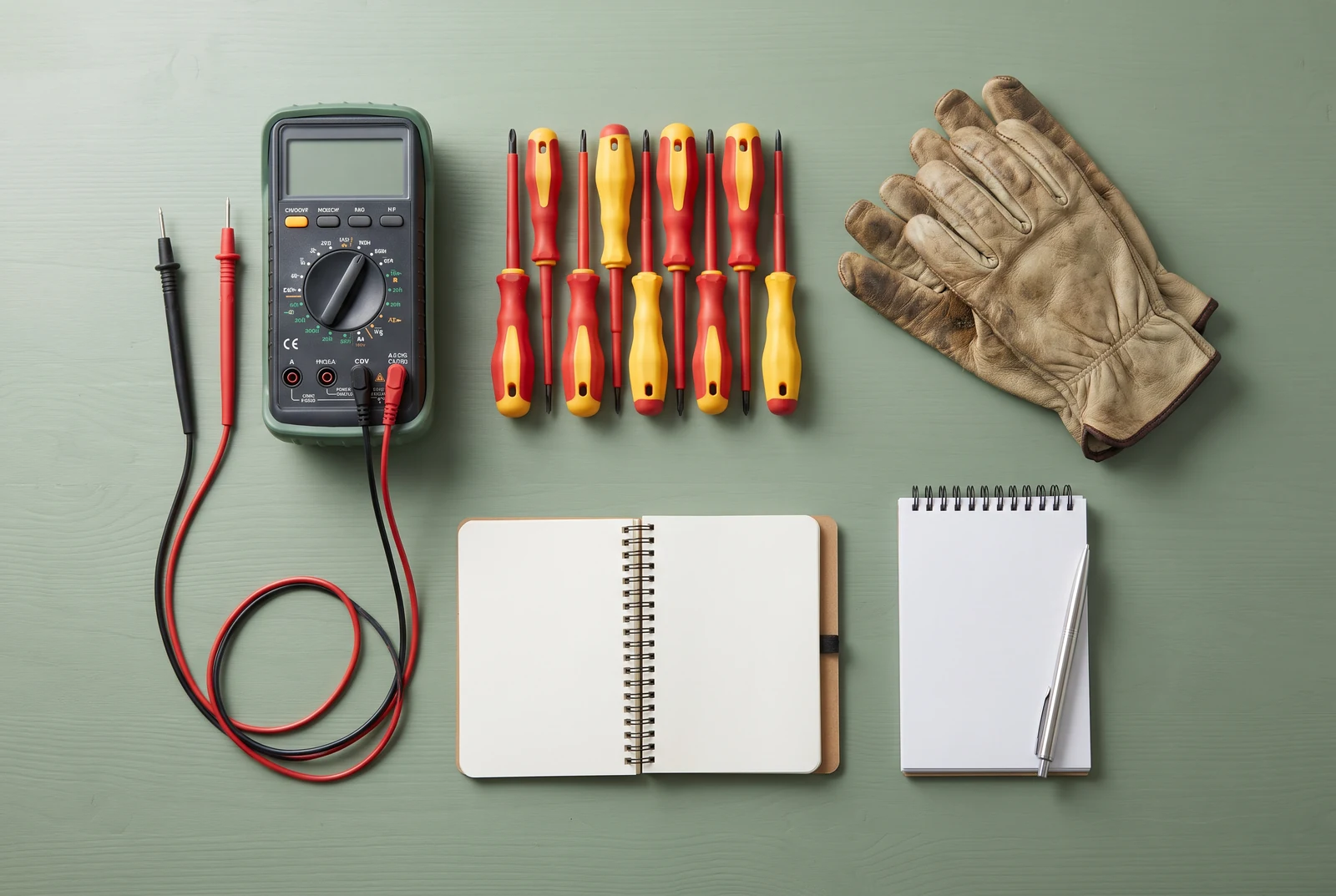
Boundaries
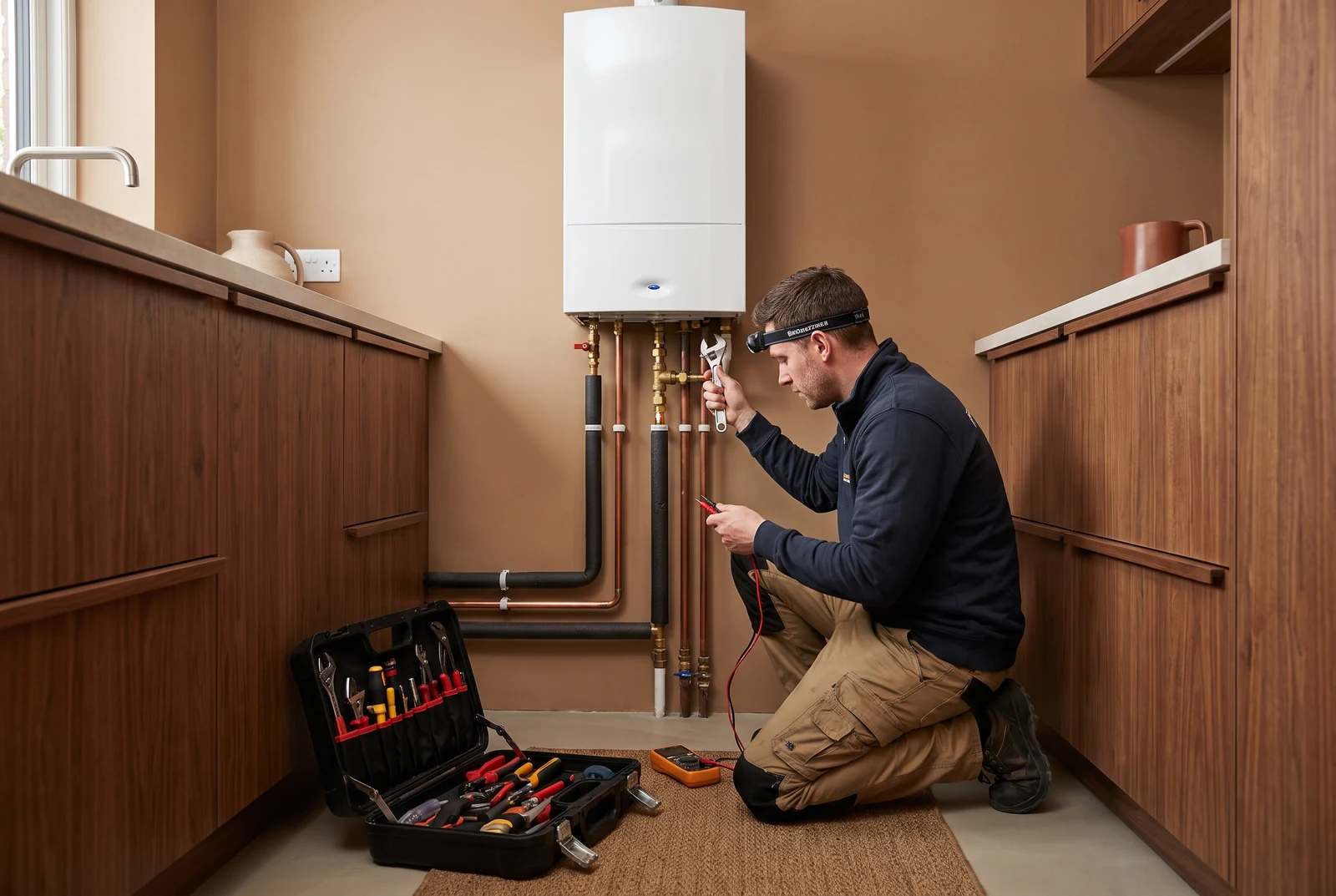
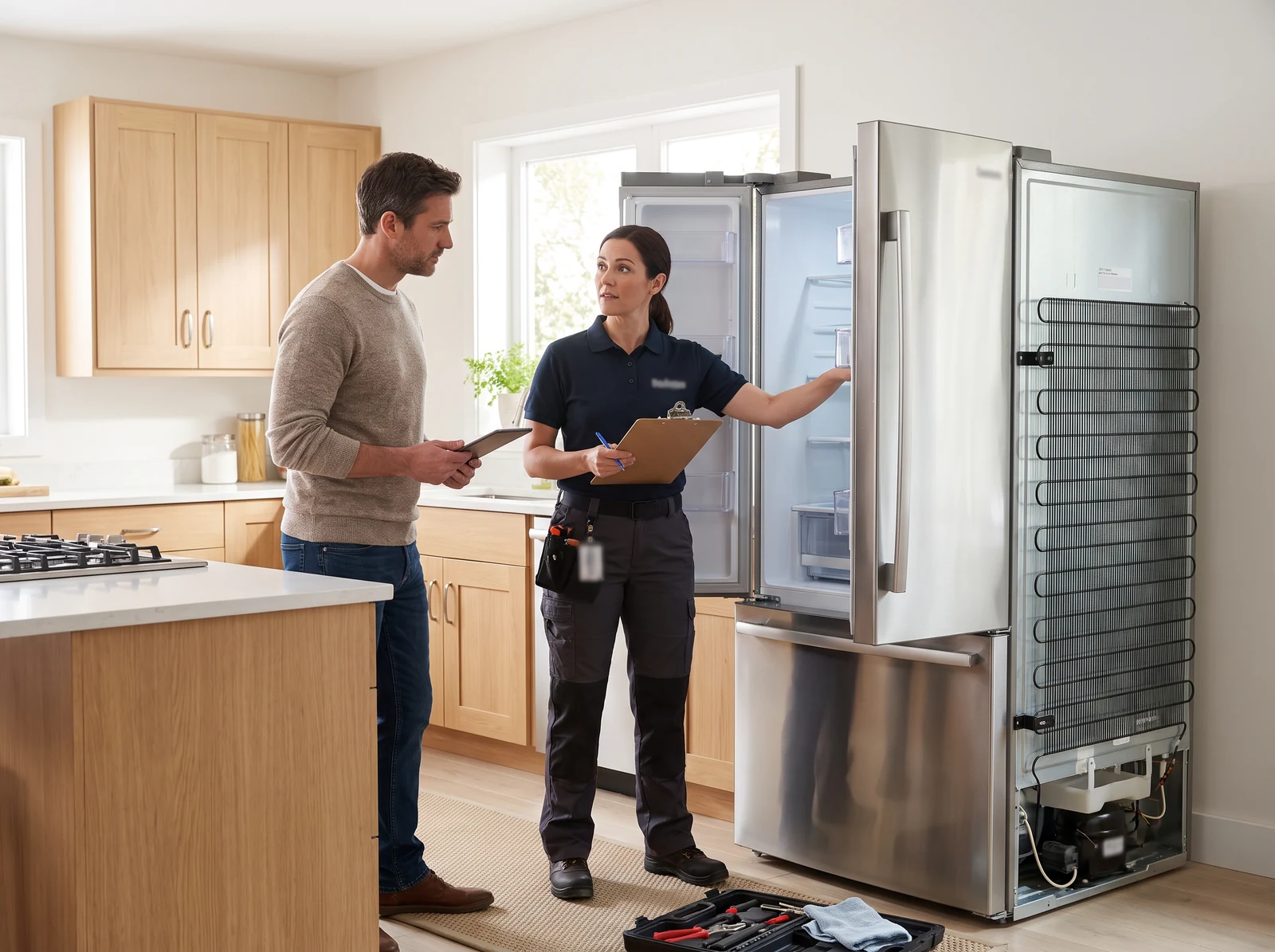
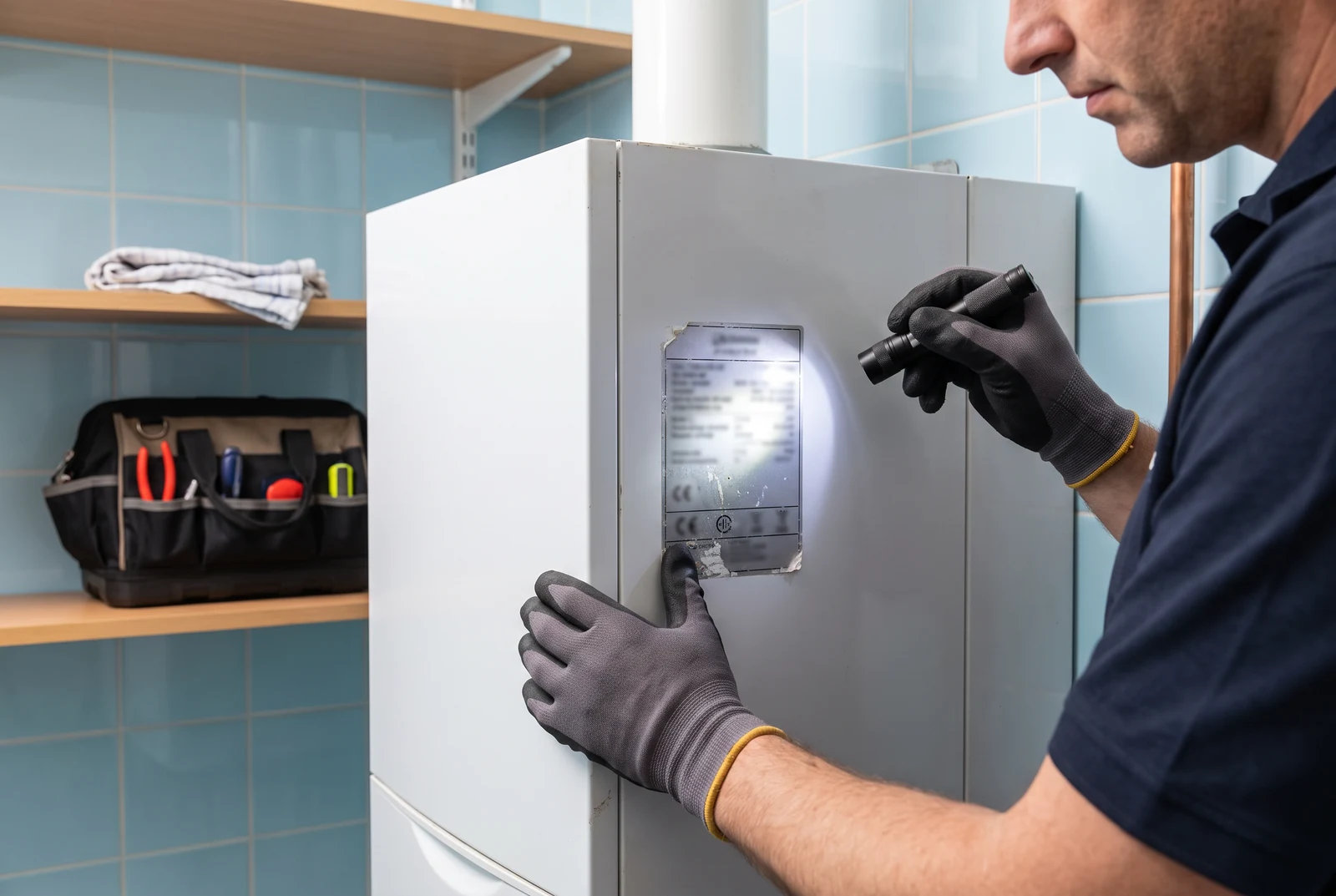
Look at the setting
Use context to make a description clearer, not to turn it into a remote diagnosis.
Before and after
With a quick theory
With a clear note
A quiet process
Move through the steps at the pace the situation allows. For an urgent concern, follow the relevant local safety guidance instead of waiting for a general reply.
State the appliance and visible change.
Keep only the ordinary context that is safe to observe.
Use an appropriate official or qualified route.
Questions, plainly answered
General contact
Use this browser-only form for general feedback about the guide. For actual repair or safety concerns, contact the responsible qualified route. You can also use the placeholder email [email protected].